Fruiting crops
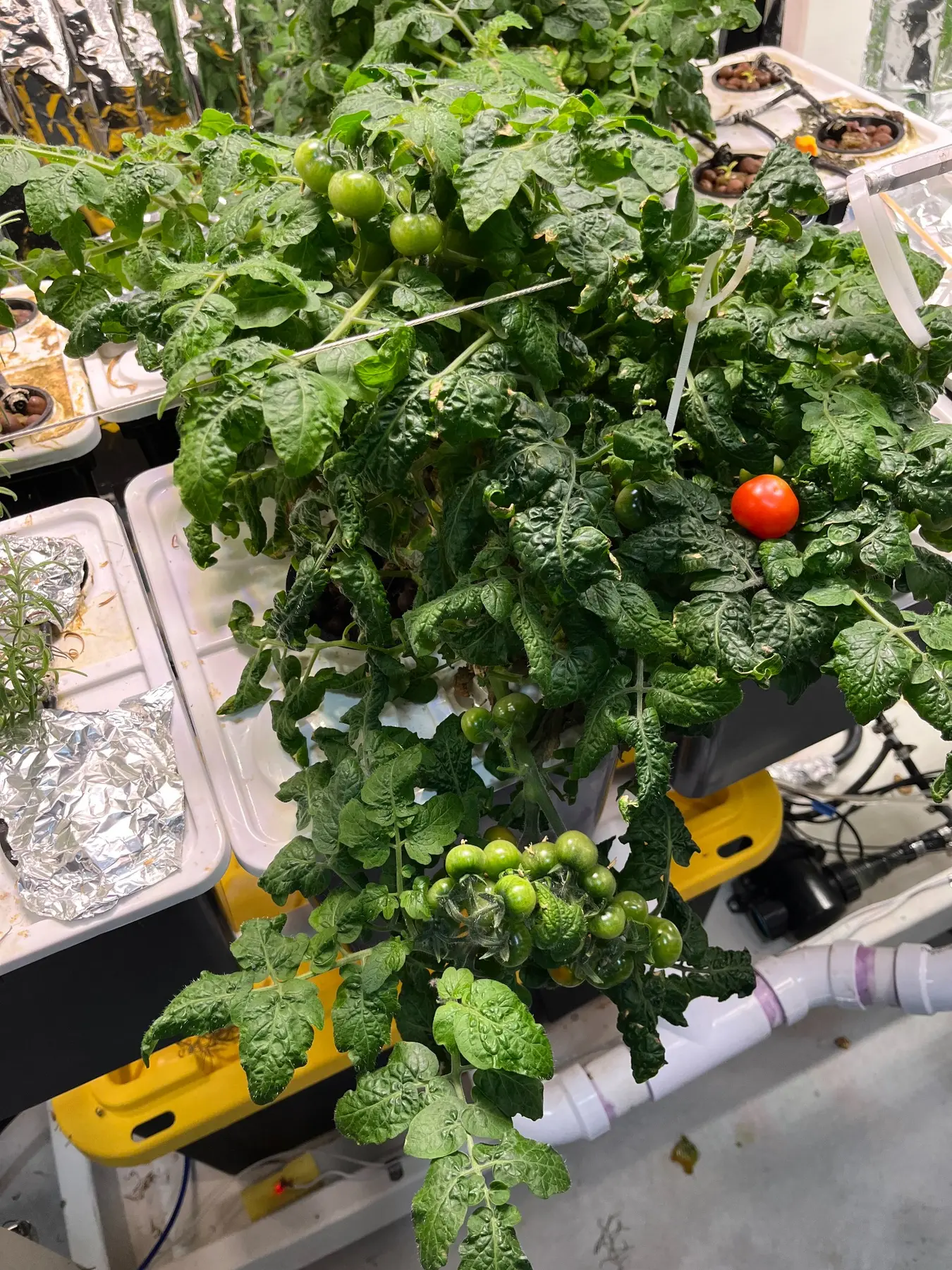
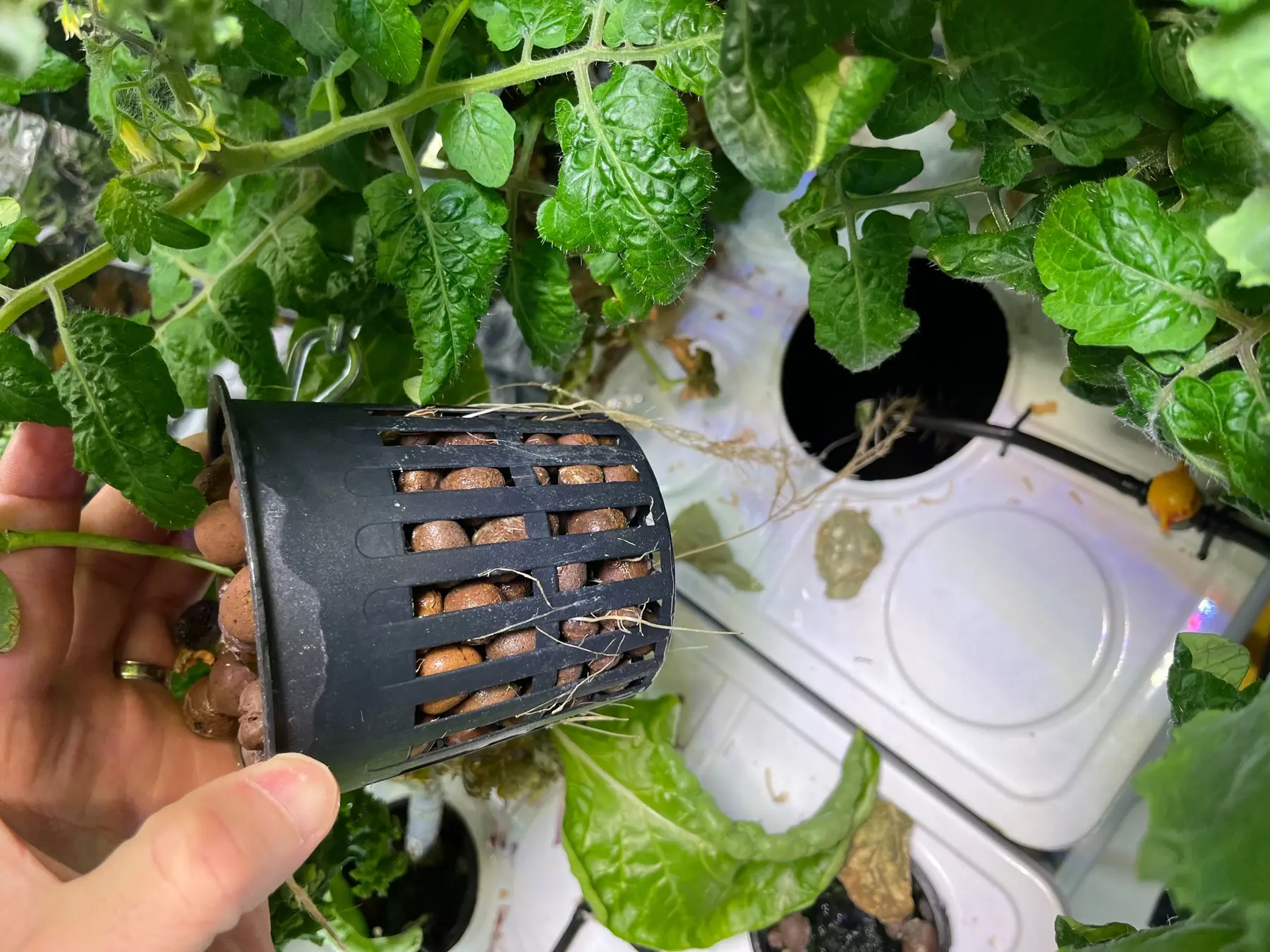
The established eight-bucket Dutch-bucket loop supports tomatoes and peppers with dedicated nutrient conditions.
An independent public laboratory notebook
I’m Chris Gamsky, an analytical chemist applying measurement science, automation and experimental design to a working indoor hydroponic system. This site will document the methods, data, failures and revisions. Some ideas will work. Some won’t. I’ll share both.
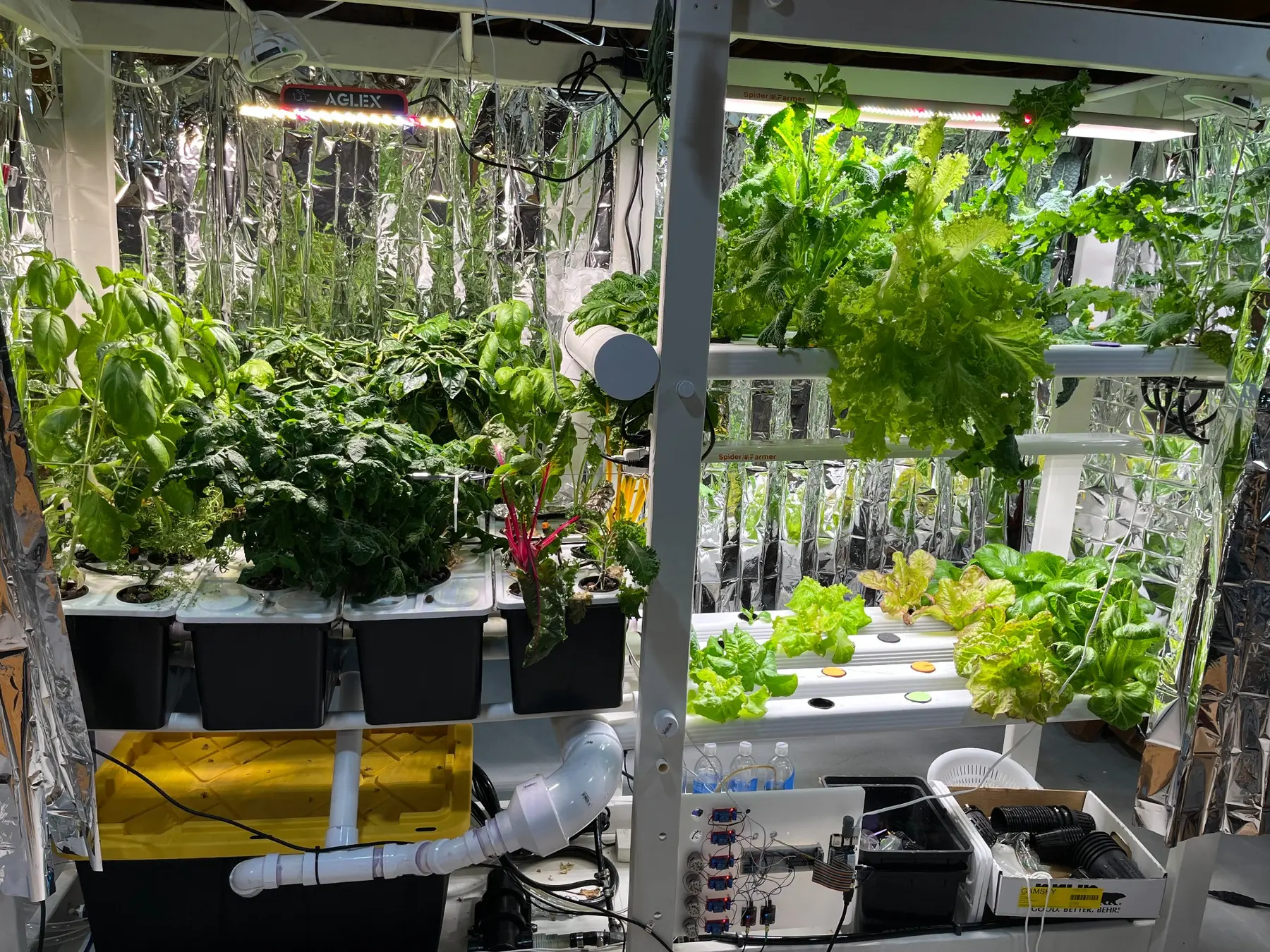
Routing multiple reservoirs through one instrumented pH and EC station.
Proof before prediction
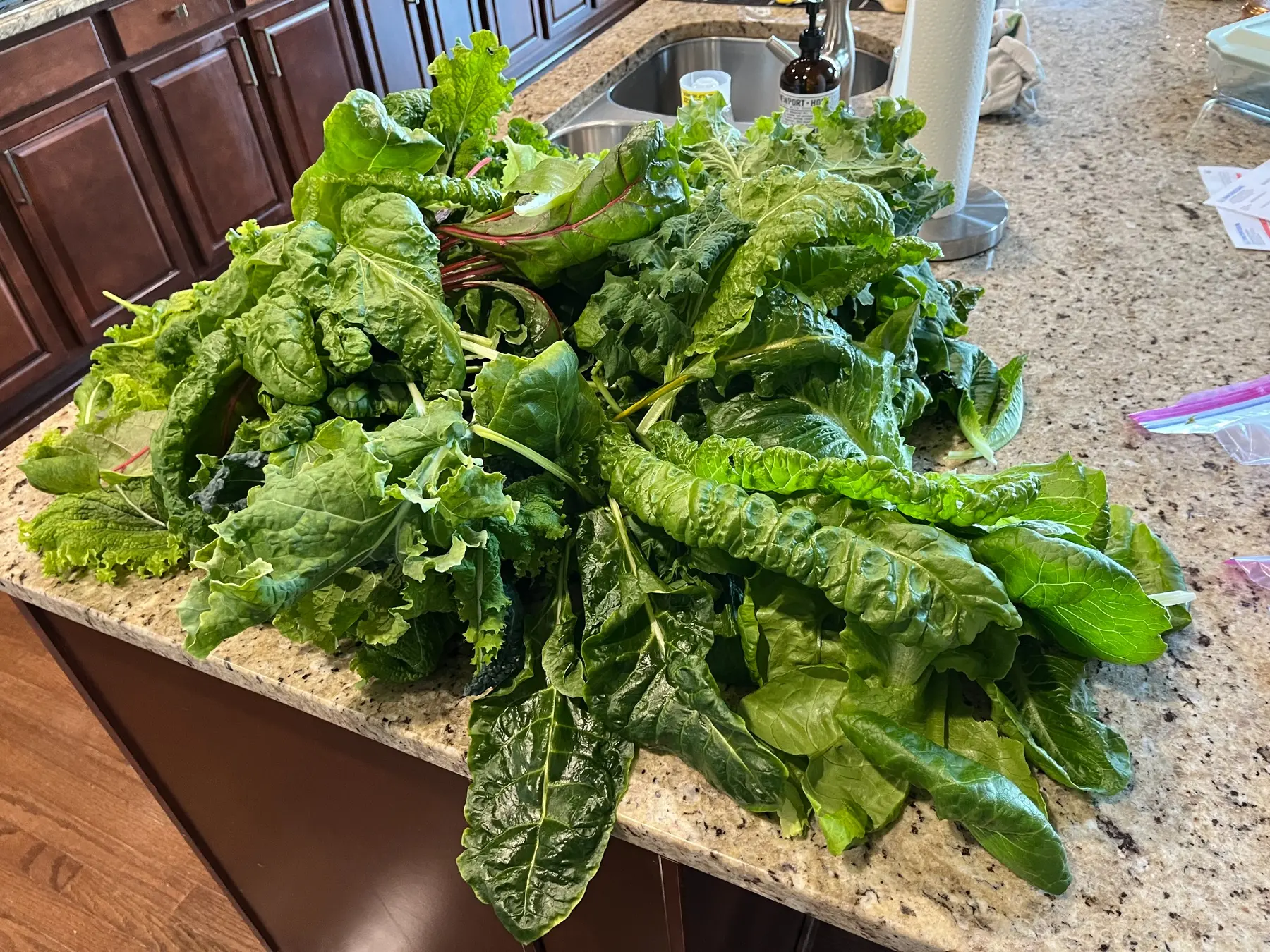
The research starts from a platform that already grows food reliably. Lettuce, kale, tomatoes and peppers have provided years of practical lessons about flow, dosing, sensing and failure recovery.
The research platform
The upgrade separates crops with different needs while sharing a precise analytical core. Each loop can be measured, controlled and compared without sacrificing the practical constraints of a home-scale build.
The established eight-bucket Dutch-bucket loop supports tomatoes and peppers with dedicated nutrient conditions.
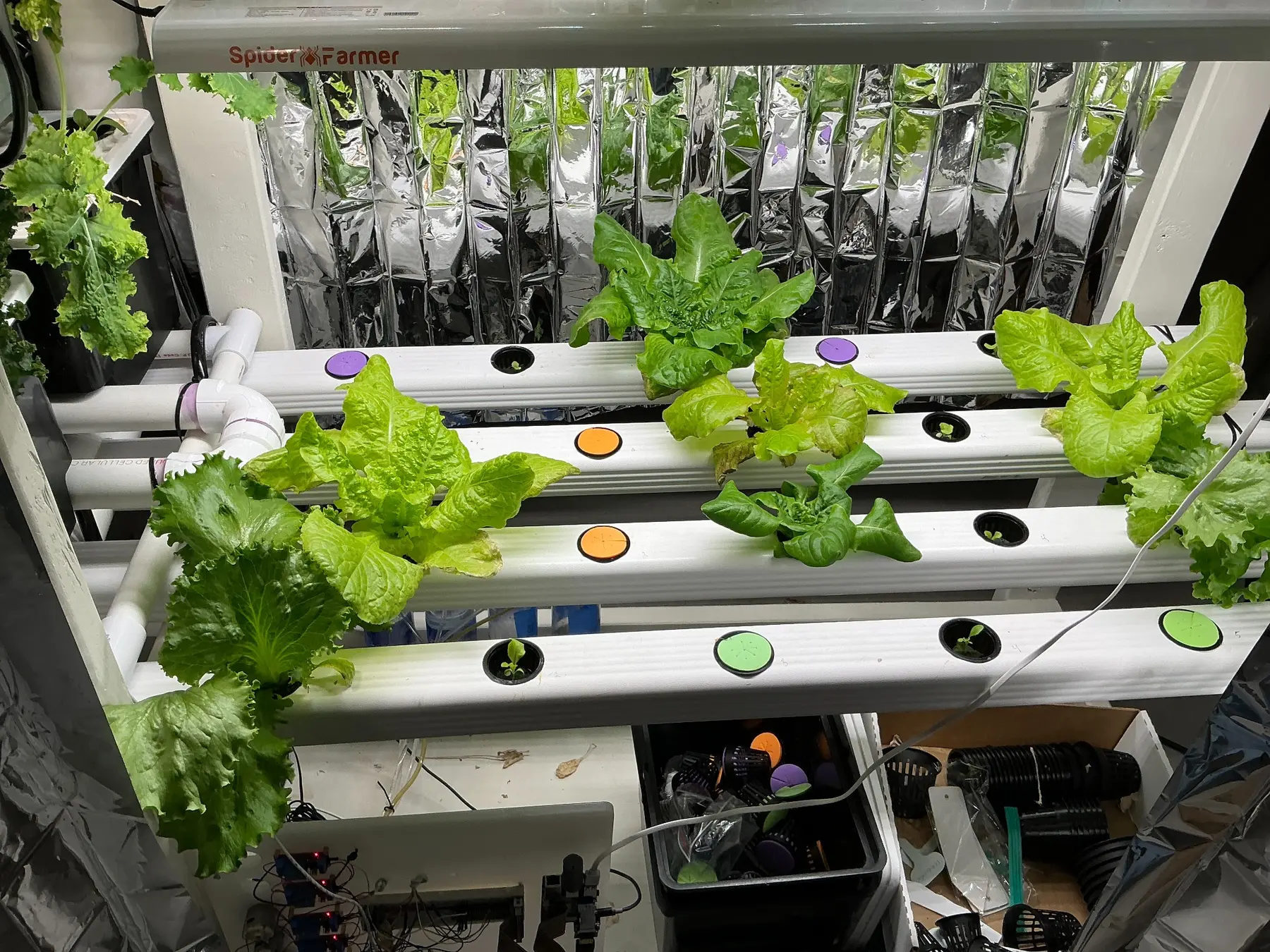
A retained nutrient-film loop focuses on kale and other greens that benefit from continuous, shallow flow.
New independently controlled deep-water-culture beds will enable aeration, circulation and growth comparisons.
Planned measurement and control architecture
Conceptual architecture, not an as-built diagram. A matching source and return valve pair stays selected for each reservoir. The first build measures pH and EC on the existing reservoir; shared return dosing and other loops are later stages.
Built, tested, rebuilt
Each version answered a practical question and exposed the next one. The visible prototypes are part of the record: dosing first, then reliable sensing, cleaner control and finally an architecture designed for comparative experiments.
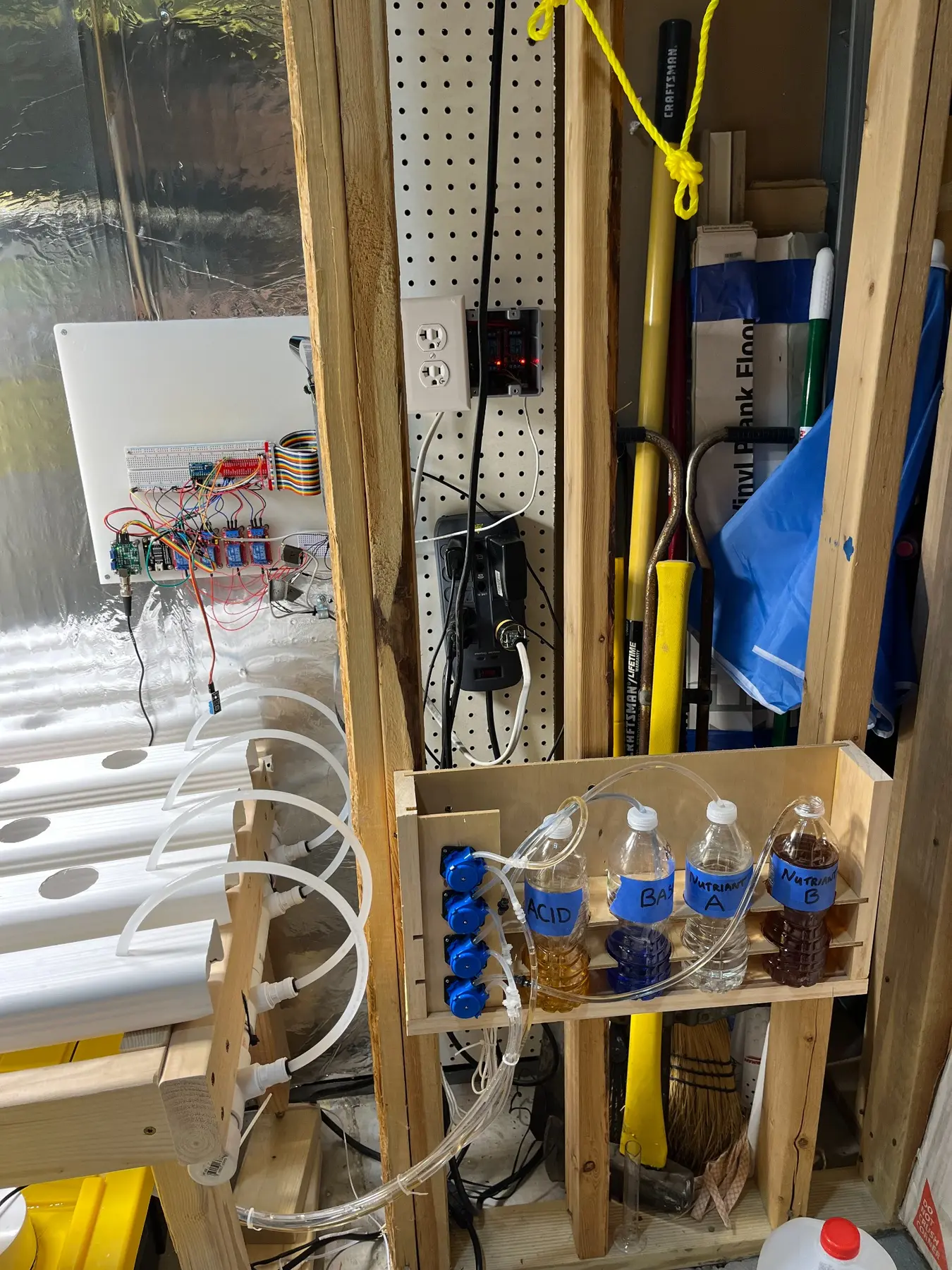
Early controllers combined relays with four peristaltic pumps for acid, base and two-part nutrients. The objective was straightforward: reliable dosing without constant manual intervention.
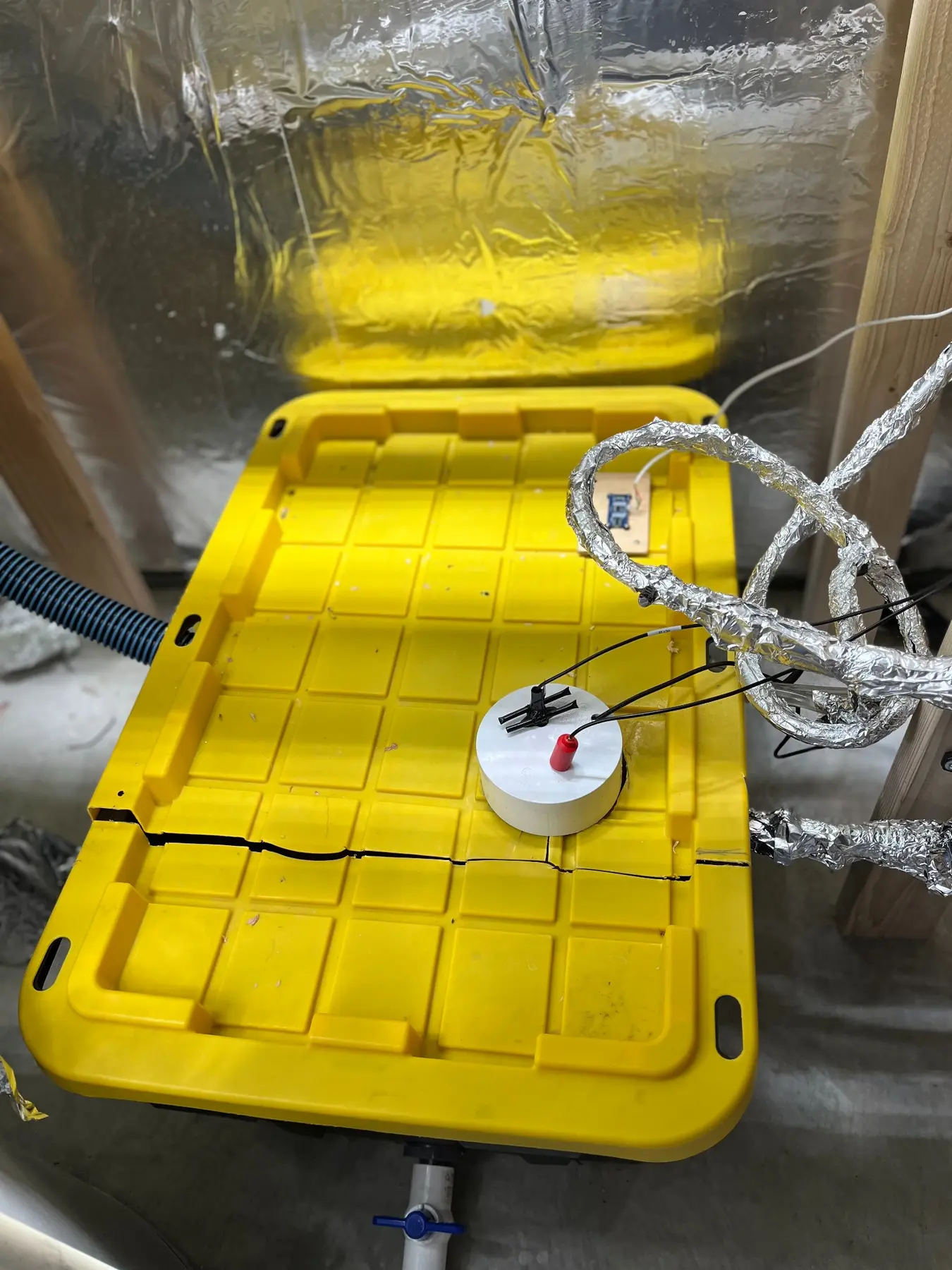
Probe connections on the reservoir lid and nearby wiring show the existing measurement setup and its practical cable-routing constraints.
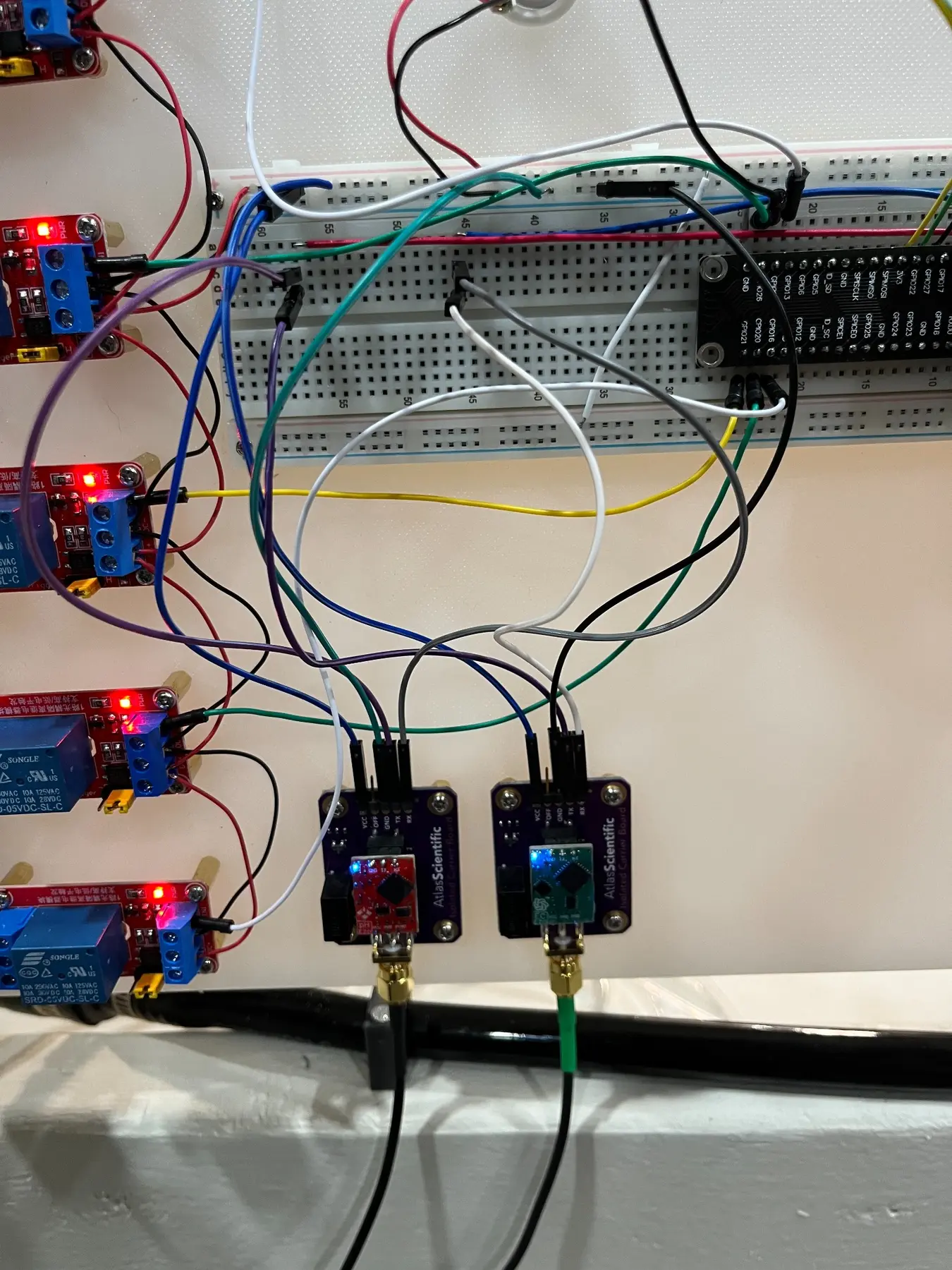
A Raspberry Pi implementation connected dosing hardware with isolated analytical circuits. It worked—and provided the design evidence for a simpler controller architecture.
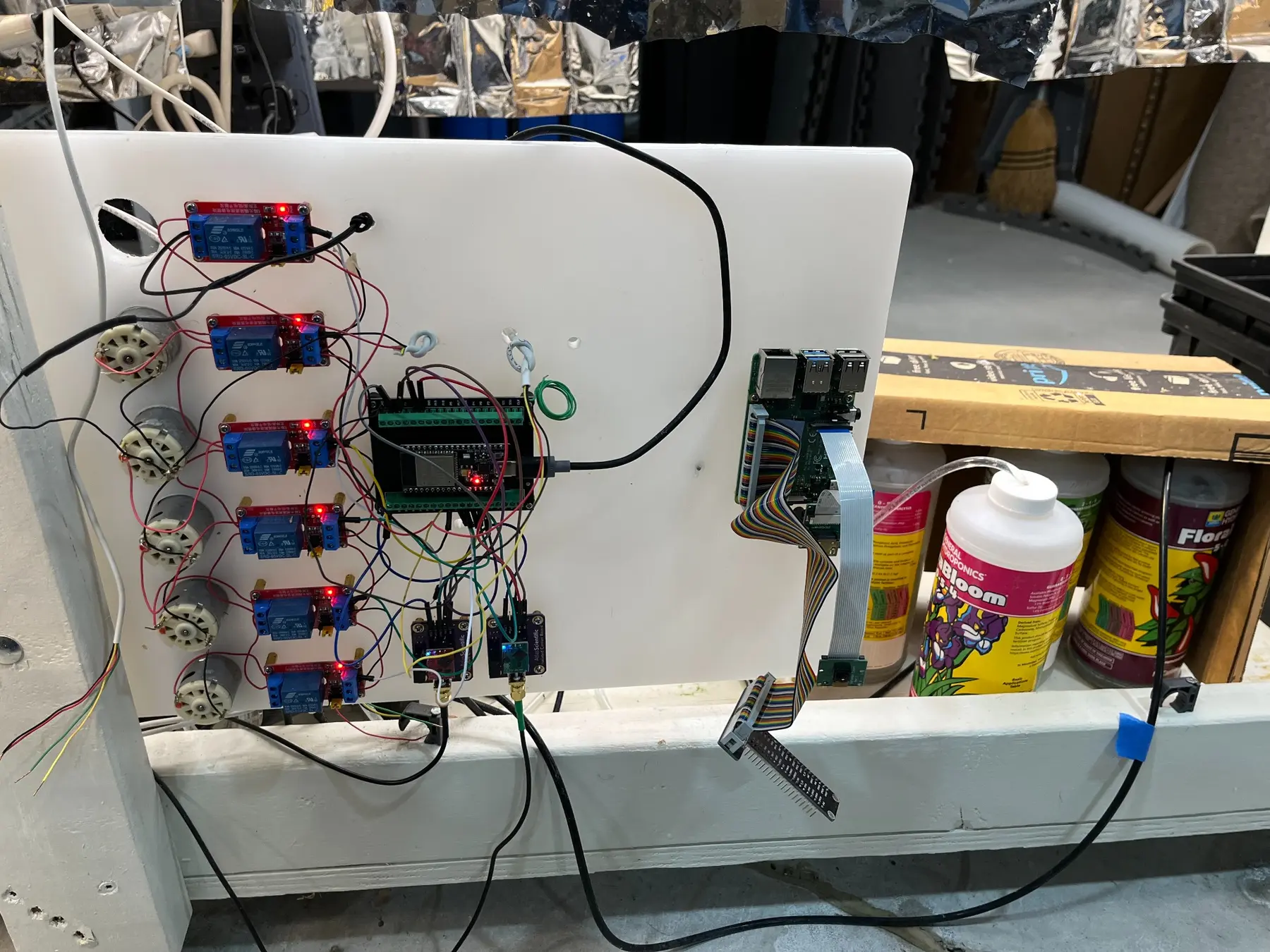
The current retrofit places an ESP32 and terminal breakout on the existing control board while the previous Raspberry Pi remains visible. The next build will consolidate the relays, power distribution and controller inside an enclosure.
Development roadmap
The project is intentionally phased. First make the measurements trustworthy. Then make the growing systems independent. Only then ask optimization algorithms to recommend the next experiment.
ESP32 control, selected source and matching return valves, peristaltic transfer, and a horizontal ½-inch PVC header with vertical pH and EC probes. DO and temperature positions are capped for later use.
Two compact reservoirs with dedicated circulation and shared high-capacity aeration, added alongside the existing Dutch-bucket and NFT systems.
Structured trials, logged interventions and plant-response data will support Bayesian optimization and other methods for selecting useful next experiments.
Public laboratory notebook
As the work progresses, this site will preserve the experimental record rather than present only polished successes. The goal is enough detail for a technical reader to understand what was done, why it changed and what the evidence supports.
System diagrams, component choices, probe calibration, control logic and practical maintenance procedures.
Read the first design and existing-system baseline entry.
Time-series measurements, experimental data, plots and downloadable datasets when they are ready to share.
Relevant professional work and technical background that inform the measurement and experimentation approach.
Biology meets engineering
Christopher J. Gamsky, PhD, is an analytical chemistry technical leader with 32 years of industrial experience and expertise in HPLC, measurement science, laboratory automation, high-throughput experimentation, machine learning and artificial intelligence.
His work includes developing automated systems that help determine which experiment to perform next. Hydroponics, Measured brings that same mindset to a physical, living system where useful answers depend on both good instrumentation and disciplined experimental design.
Hydroponics, Measured is Christopher Gamsky’s personal research project. It is independent of, and is not sponsored by, Procter & Gamble. No P&G proprietary code, methods, datasets, documentation or decision logic are used.
Project collaboration
I welcome conversations with equipment manufacturers, technical specialists and research collaborators who are interested in the documented transition from one productive system to multiple independently controlled growing loops. Support does not determine the conclusions: favorable and unfavorable results will both remain part of the record.